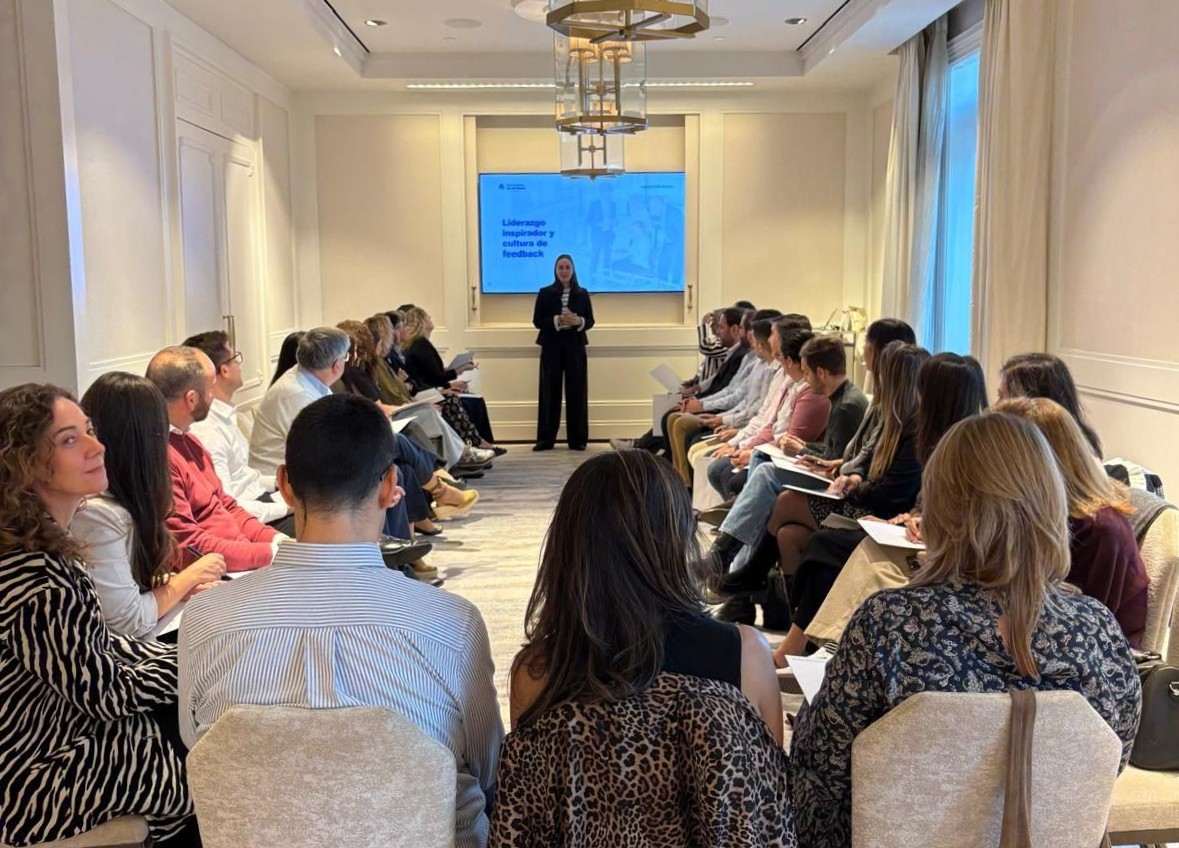
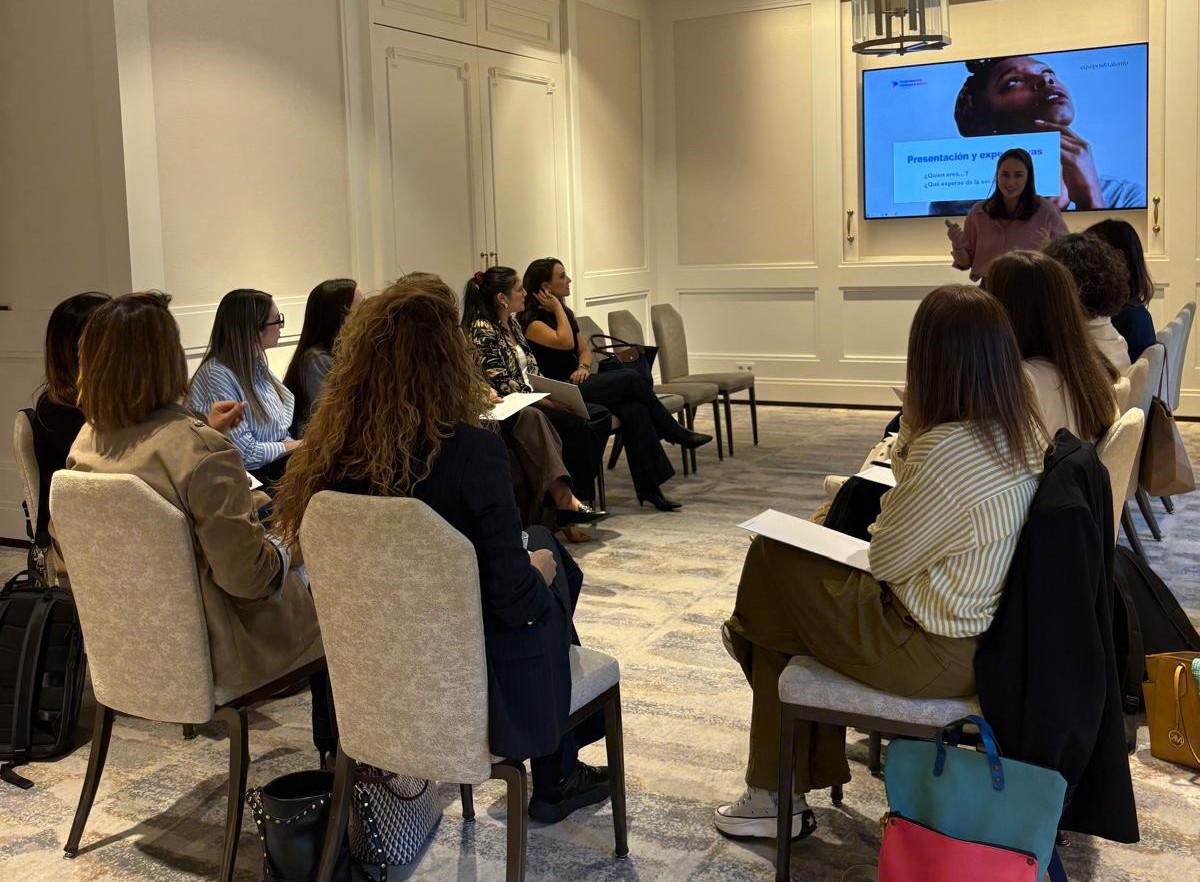
As a Human Resources professional, I see every day how the plans we draw up at the start of the year become outdated within a matter of months. I recently attended the session “Everyday Creativity and Strategy,” led by Emma Giner (People & Organisation Shaker) for Best Company for All Talent, and came away with one clear takeaway: in a world of constant change, creativity is no longer a nice-to-have. It is a strategic competency.
Emma began by placing us in a broader historical context. Kondratiev waves show that the economy moves forward in long cycles, each driven by a major technological revolution: steam, railways, electricity, the automobile, and telecommunications. According to the framework she presented, we are closing out the fifth wave and entering a sixth, linked to biotechnology and holistic health. Every shift between waves brings a phase of recession and downturn, yet also the opportunity to reinvent ourselves.
There Is No Single Future
Quoting Jim Dator—“There is no single future, only as many as we are capable of imagining”—we reviewed his four future scenarios:
- Growth: The expansion of our current trajectory, along with its existing problems.
- Collapse: The system reaches its breaking point and fails, bringing both risks and opportunities.
- Discipline: Balance is sought by curbing “the bad” and promoting “the good” in order to preserve something under threat.
- Transformation: A radically different scenario, where even the very concept of what it means to be human is redefined.
Crisis as a Creativity Lab
When the system shakes, the familiar phrase “we need to come up with something” inevitably surfaces. Crises create a sense of urgency, mobilize greater resources, bring people together, and broaden the diversity of perspectives. Moreover, they legitimize experimentation, improvisation, and learning—and because they are perceived as temporary, they sharpen focus and concentrate effort.
Here, we distinguished between two concepts we often conflate. Creativity is making connections, building relationships, and combining ideas in unexpected ways. Innovation is turning those ideas into tangible realities, taking risks to implement them, and showing grit and resilience in the face of chaos. And since the new emerges from chaos—where nothing is yet connected—we must learn how to navigate it.
To cultivate creativity, we identified what holds it back (predictable routines, fear of losing control, and prejudice) and what fuels it: crisis as disruption, psychological safety, and targeted curiosity. For me, psychological safety is the cornerstone of everything we do in People.
Seven Ways of Thinking to Create
Emma introduced seven everyday habits, all starting with the prefix “Think”:
- Think Zen: Clearing the mind and creating without fixating on the outcome.
- Think Provocation: Deconstructing reality by asking “Why?” and “What if…?”
- Think Open: Creating is not reserved for “geniuses”; it is about stepping into someone else’s shoes and collaborating. Examples like Ben & Jerry’s partnering with Nike or Lidl’s viral sneakers showed us just how far unexpected associations can go.
- Think Flow: Finding the moments and environments where ideas flow naturally.
- Think & Draw: Sketching as a way to think.
- Think Happy: Understanding our motivations, nurturing constructive beliefs, and creating from a place of authenticity. Tony’s Chocolonely’s employment contract—designed as a humor-filled poster—was my personal favorite.
- Think Team: Combining energies to multiply creativity and evolve from a company into a community. The Beatles illustrate this remarkably well.
A Closing Thought to Take Home
The session closed with a quote from Maya Angelou: “You can’t use up creativity. The more you use, the more you have.” That message stayed with me. In uncertain times, the future of organizations does not depend solely on more sophisticated plans, but on people who have the freedom, curiosity, and trust to imagine and test new alternatives.<br/>