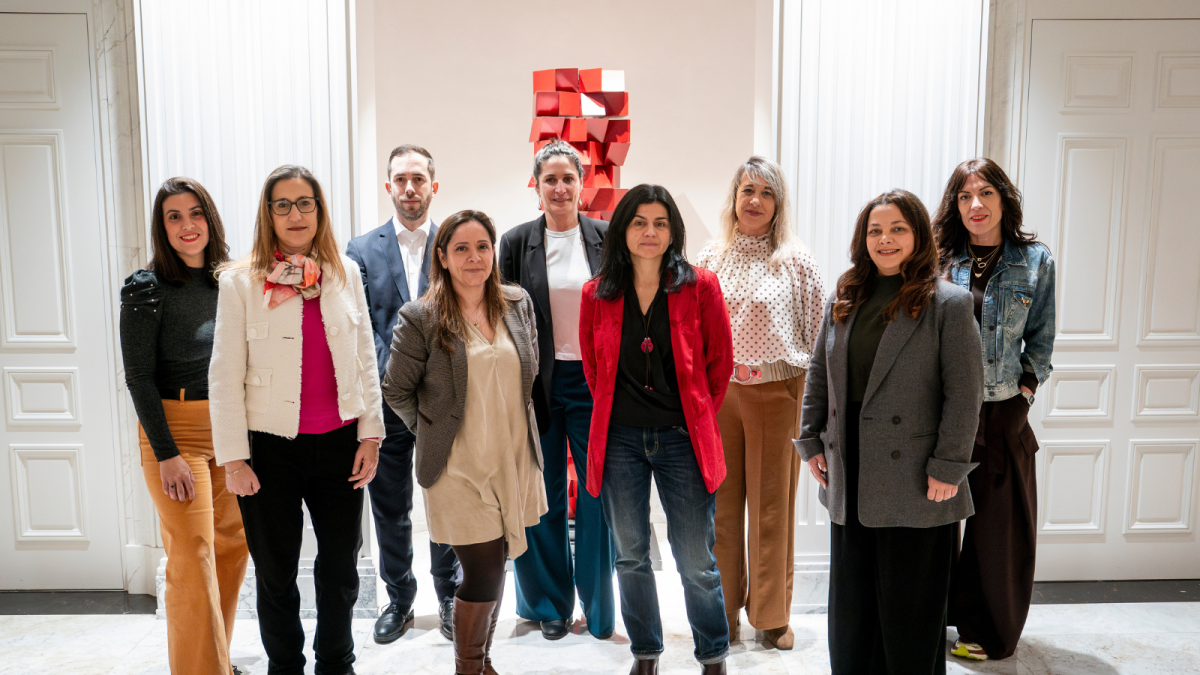
Today’s workplace is facing an exciting and unprecedented scenario: up to four different generations working side by side, sharing projects, goals, and workspaces. To explore this transformation in depth, Lola Bueno, our Corporate HRBP, recently attended the session “From Baby Boomers to Gen Z: Leading Generational Diversity,” a strategic forum designed to discuss the future of Human Resources.
How can we turn this diversity of profiles into a true driver of innovation? Here are the key takeaways from the event to help integrate and maximize talent across our organization.
Generational coexistence and its unique contributions
Each generation has been shaped by a specific socioeconomic context that defines how they relate to the professional environment. While Baby Boomers and Generation X bring resilience, deep experience, and a long-term vision, Gen Z and Millennials contribute digital agility, adaptability, and a strong demand for purpose-driven work.
As highlighted during the session, the first step toward effective leadership is recognizing how these different generations coexist within the company and understanding the unique value each individual brings. The goal is not to homogenize teams, but to amplify the distinct strengths of every person.
Bridging expectations: The role of diversity
Managing intergenerational teams involves overcoming significant challenges in aligning expectations, work styles, and motivations. The session emphasized the crucial role of diversity policies and the promotion of female talent as key drivers to bridge gaps and strengthen internal cohesion.
Our colleague Lola perfectly captured the essence of this challenge: “True success in people management lies in actively listening and creating an environment where the experience of senior professionals and the innovation of younger talent do not compete, but rather complement each other. Organizations that invest in diversity demonstrate a greater ability to integrate these perspectives and build truly inclusive workplace cultures.”
Strategies to turn diversity into a competitive advantage
Generational diversity should no longer be seen as just a management challenge, but as a strategic business pillar. Among the key strategies shared to transform this factor into innovation and competitive advantage are:
- Flexible and personalized work models: Adapting value propositions to meet the needs of those seeking long-term stability and career growth, as well as those prioritizing flexibility and work-life balance.
- Reverse mentoring: Encouraging dynamics where experienced professionals share strategic insights, while emerging talent mentors in digital skills and new methodologies.
- Plural communication: Understanding that communication channels and feedback styles must be diverse to ensure corporate messages resonate effectively across all age groups.
Conclusion
Leading generational diversity is now an absolute imperative. With professionals like Lola Bueno driving these initiatives within the People area, our company reaffirms its commitment to fostering a work environment where every generation has the space and motivation to perform at its best.