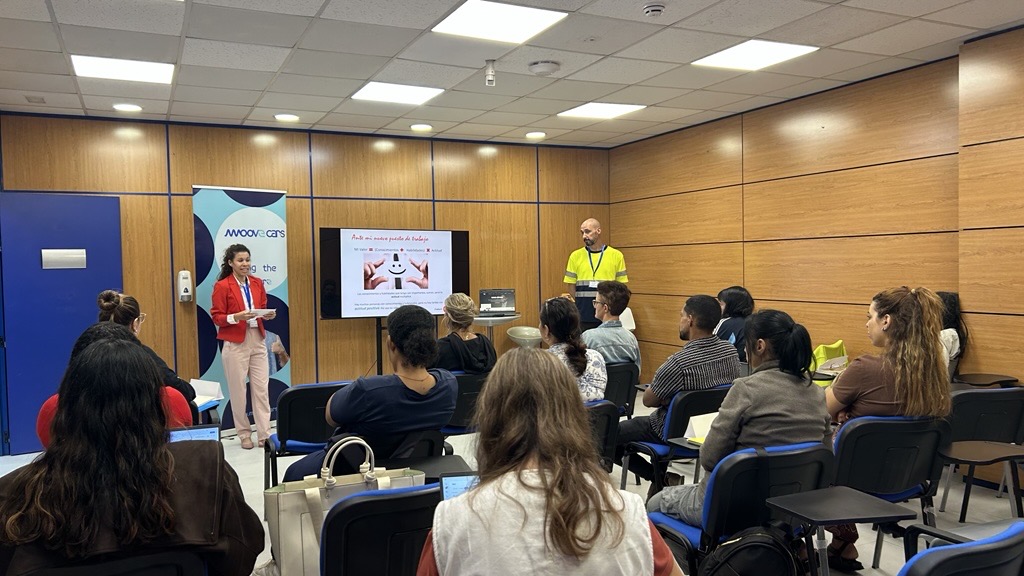
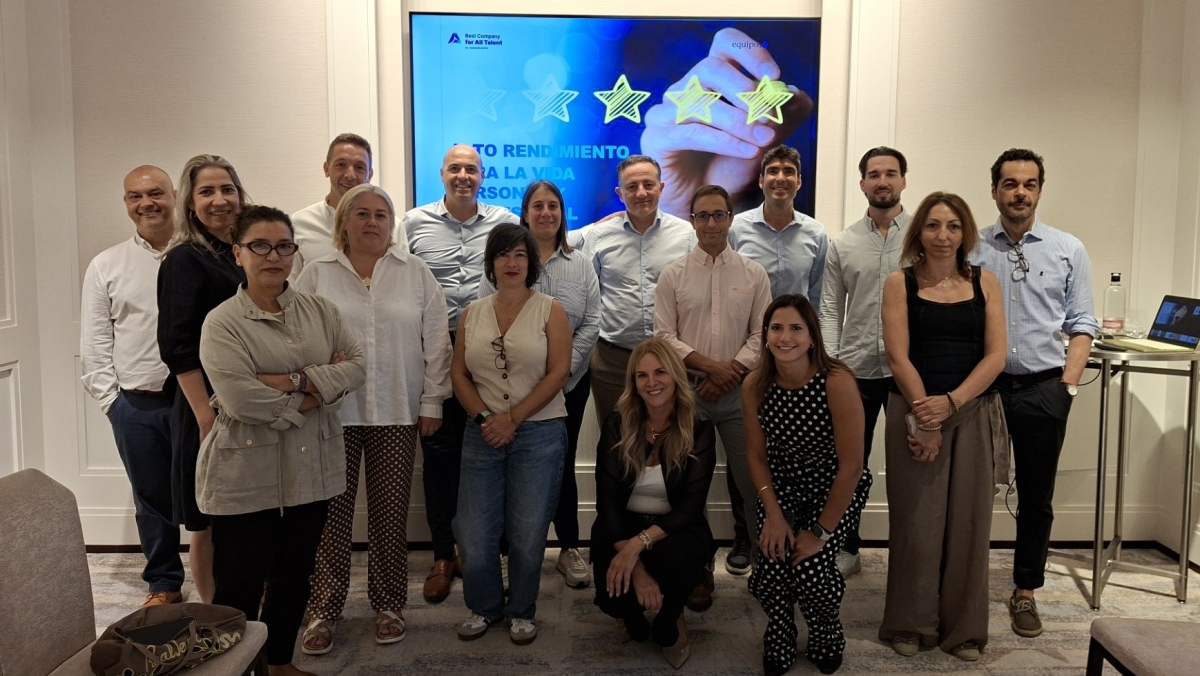
As an HR professional, I witness firsthand the profound digital transformation and the rapid adoption of artificial intelligence that are reshaping the future of businesses. Far from being a threat, this technology is an unstoppable driving force. However, I recently attended a female talent development workshop led by Daria Shornikova (Executive & Team Coach at Both People & Comms, in collaboration with Equipos&Talento), which reaffirmed a key conviction: technology and digitalization can only reach their full potential when combined with deeply human leadership.
In this new landscape, digital tools and AI optimize processes, but the human touch is the perfect and irreplaceable complement that brings soul, judgment, and purpose to organizations.
We live in an era in which automation and digital environments dominate everyday corporate life. Paradoxically, the more technology we integrate, the more critical those skills become that no algorithm can replicate.
According to the World Economic Forum’s Future of Jobs Report, six of the ten most in-demand skills in the labor market are human skills, such as self-awareness, resilience, leadership, empathy, curiosity, and creativity. Traditionally, many of these strengths, including active listening, the ability to build support networks, a focus on well-being, and transparent communication, have been closely associated with female leadership.
In the digital age, effective leadership is no longer based on traditional hierarchical control. Instead, it becomes a facilitative, transformative role focused on empowering and serving teams. This is where female talent and leadership become the perfect complement to technology: while AI processes data and automates tasks, human leaders connect people with purpose, navigate uncertainty, and inspire others.
Before leading digital transformation, we must transform our internal narrative. During the workshop, we addressed a common obstacle: impostor syndrome, that inner voice that makes us question whether we are prepared for new challenges, attribute our success to luck, or hold us back from participating in decision-making.
To overcome it and build confidence, it is essential to practice what we might call “self-esteem workouts”:
- Accept compliments and acknowledge our own achievements without downplaying their value.
- Build support networks where we can share experiences and learn from one another as we navigate technological change.
- Remind ourselves that we deserve to be here because of our skills and talent.
Technology is not neutral; without inclusion, it amplifies inequalities. To empower teams in this new era, we need to:
Address unconscious bias: Monitor AI systems and digital tools to ensure they do not reproduce prejudices or overlook diverse talent.
Protect well-being in an always-connected world: Embrace Randi Zuckerberg’s principle of prioritization: we may be able to have it all, but not all at once. Technology should make life more flexible, not lead to exhausting multitasking.
Lead with empathy: Understand how teams feel about change through a human-centered response, reducing resistance and fostering psychologically safe environments.
- Address unconscious bias: Monitor AI systems and digital tools to ensure they do not reproduce prejudices or overlook diverse talent.
- Protect well-being in an always-connected world: Embrace Randi Zuckerberg’s principle of prioritization: we may be able to have it all, but not all at once. Technology should make life more flexible, not lead to exhausting multitasking.
- Lead with empathy: Understand how teams feel about change through a human-centered response, reducing resistance and fostering psychologically safe environments.
The formula for future success is not about choosing between technology and humanity, but about bringing them together: AI and digital tools provide the infrastructure that accelerates business, while human leadership is the perfect complement, bringing direction and sensitivity.
The future of organizations will not be built on technological infrastructure alone, but on the talent, vision, and human qualities of the people who lead them. As Justice Ruth Bader Ginsburg famously stated, “Women belong in all places where decisions are being made.” And today, in an increasingly digital world, our human-centered leadership is one of the strongest, most decisive, and most essential pillars for moving forward.
The future of organizations will not be built on technological infrastructure alone, but on the talent, vision, and human qualities of the people who lead them. As Justice Ruth Bader Ginsburg famously stated, “Women belong in all places where decisions are being made.” And today, in an increasingly digital world, our human-centered leadership is one of the strongest, most decisive, and most essential pillars for moving forward.