By Agustina Bonvin, Head of Logistics.
In day-to-day logistics, we are constantly faced with urgency, complexity and the constant need to plan ahead. Making quick decisions, coordinating multiple stakeholders and striking a balance between efficiency and the team’s wellbeing requires more than just technical knowledge: it requires purposeful communication.
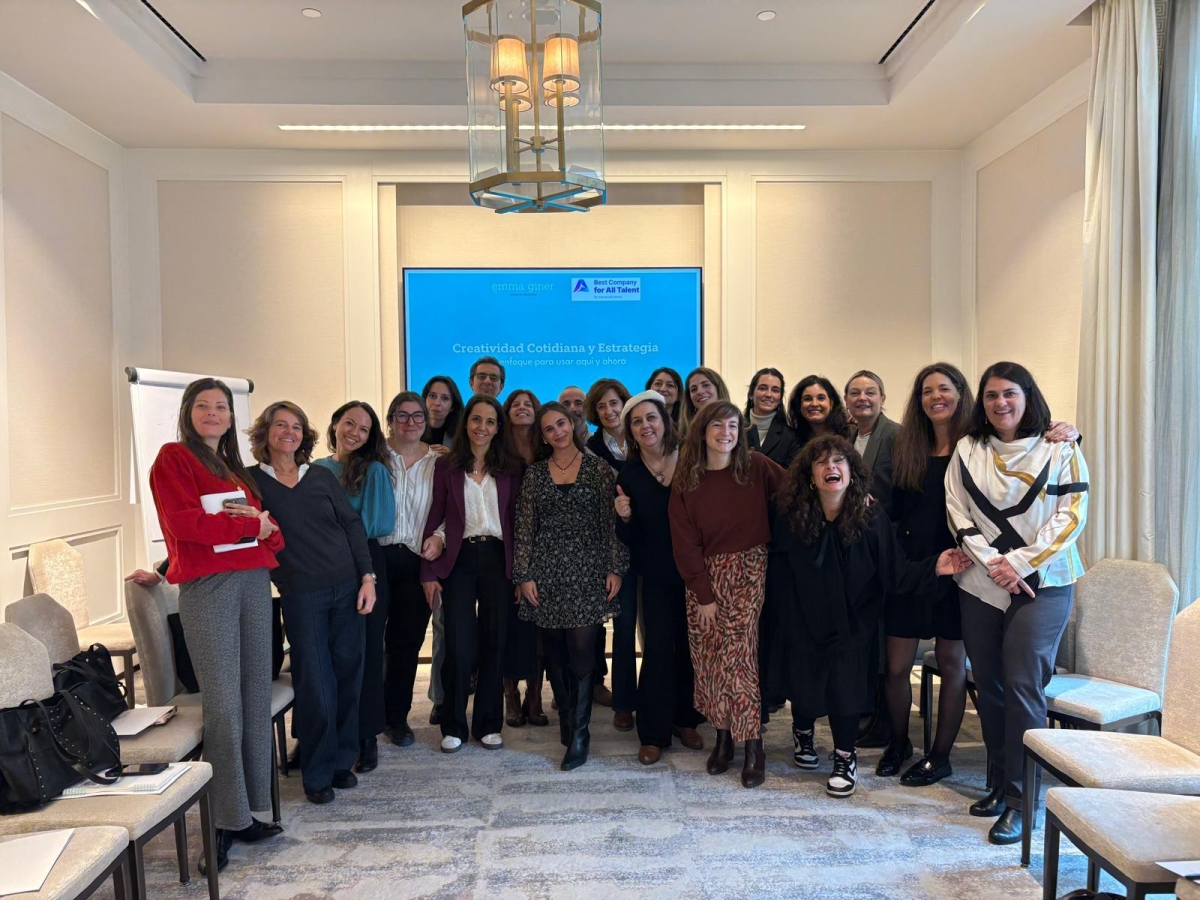
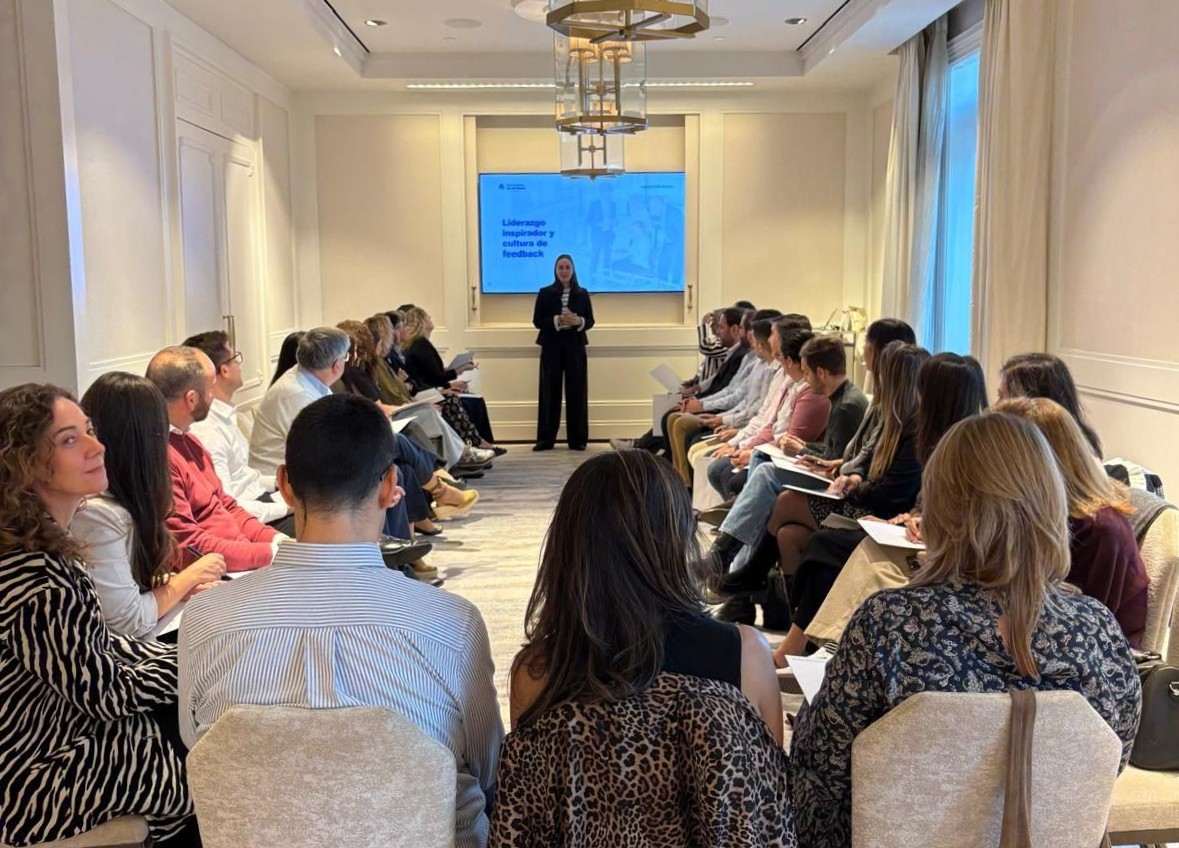
I had the pleasure of taking part in the ‘Influential Communication for Teams and Talent’ workshop, an opportunity to take a step back for a few hours and reflect on something we often take for granted: how what we say — and how we say it — affects the people we work with and the results we achieve.
Beyond Words: The Importance of Perception
One of the most valuable aspects of the workshop was understanding that our communication does not begin with words, but with the perception we create even before we speak.
First impressions are formed both consciously and unconsciously through key elements:
- Visual cues: What we project professionally.
- Non-verbal communication: Our posture, pace and tone of voice.
- Presence: The way we enter a meeting room or an operational base.
It is not about changing who we are, but about being more aware of the message we convey so that it works in favour of our professional aims and the culture of Moove Cars.
The Four Pillars of Influence in Leadership
In the operational environment, we tend to prioritise economic capital (resources, planning) and intellectual capital (experience and technical analysis). However, the workshop reminded us that real influence rests on four interdependent pillars:
- Economic Capital: The efficient management of resources.
- Intellectual Capital: Technical and strategic knowledge.
- Social Capital: The network of trust we build with internal and external teams.
- Presence Capital (or Erotic Capital): Consistency, energy and the ability to connect through authenticity.
Understanding these elements changes one’s perspective: influence is not something one ‘has’ or ‘doesn’t have’, but a strategic skill that can be developed, just like any other planning tool.
Small adjustments for a human and effective impact
Sometimes, in moments of tension, we overlook factors that seem secondary but are crucial to the success of a message:
- What does our posture convey?
- How do others interpret the speed at which we speak?
- What effect does our natural movement have in a meeting?
These elements can foster clarity and trust, or create distance and resistance. Fine-tuning them does not mean creating an artificial version of ourselves, but rather seeking consistency between our role and the message we wish to convey.
Conclusion: Leading people, not just processes
One of the most powerful takeaways from the workshop has stayed with me: Communicating more effectively is not about ‘putting on a show’; it is about aligning intention and presence. In Moove Cars We work on processes, but we lead people. And people connect through clear, consistent and genuine messages. That is why investing in our communication is not a luxury: it is a fundamental tool for building stronger teams and high-impact professional relationships. People connect through clear, consistent and genuine messages. That is why investing in our communication is not a luxury: it is a strategic tool for building stronger teams, more trustworthy relationships and smoother operations.