A meeting concludes where a team lead has laid out the roadmap for the year: the purpose, the priorities, and expectations for each team member. Everything went smoothly. As they wrap up, she approaches one of the quietest members and asks for their thoughts.
“Good, very thorough.”
Both know the answer lacks substance. Yet, both choose to let it slide.
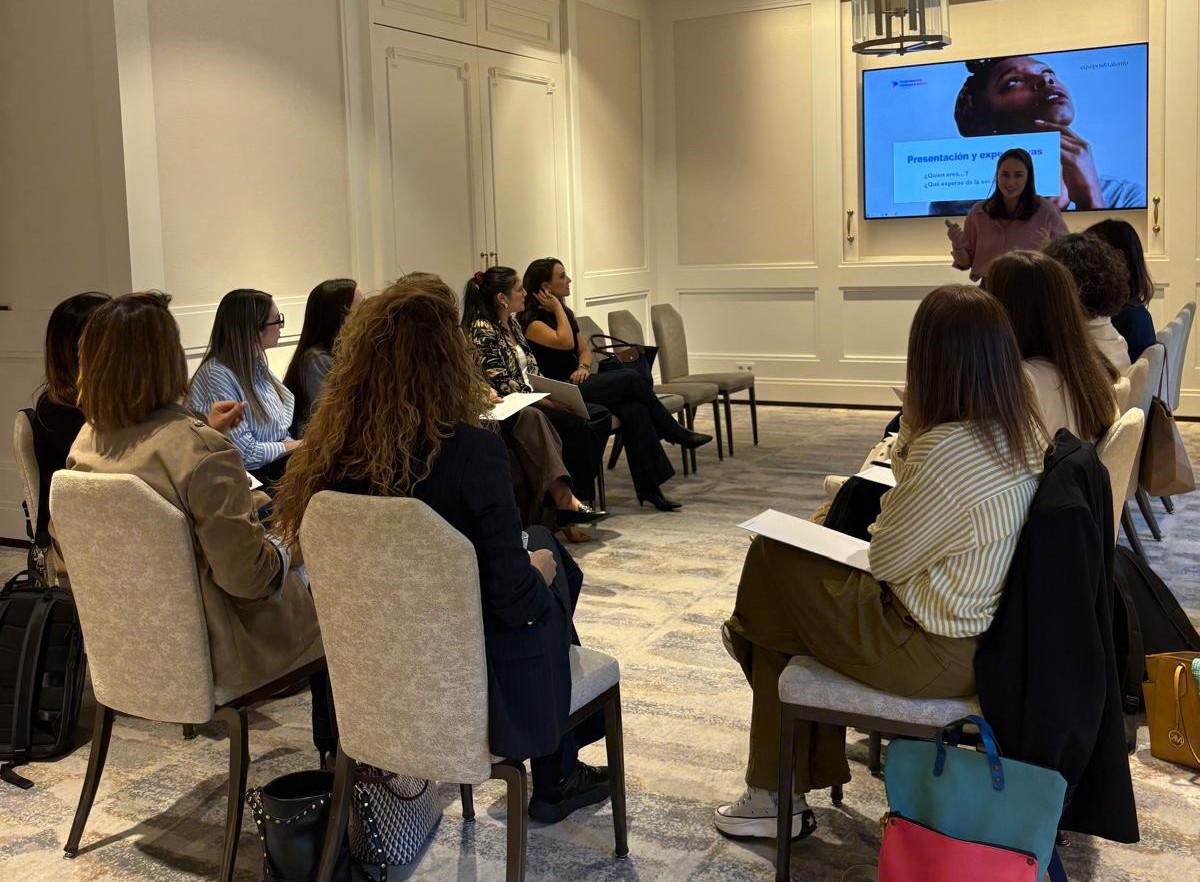
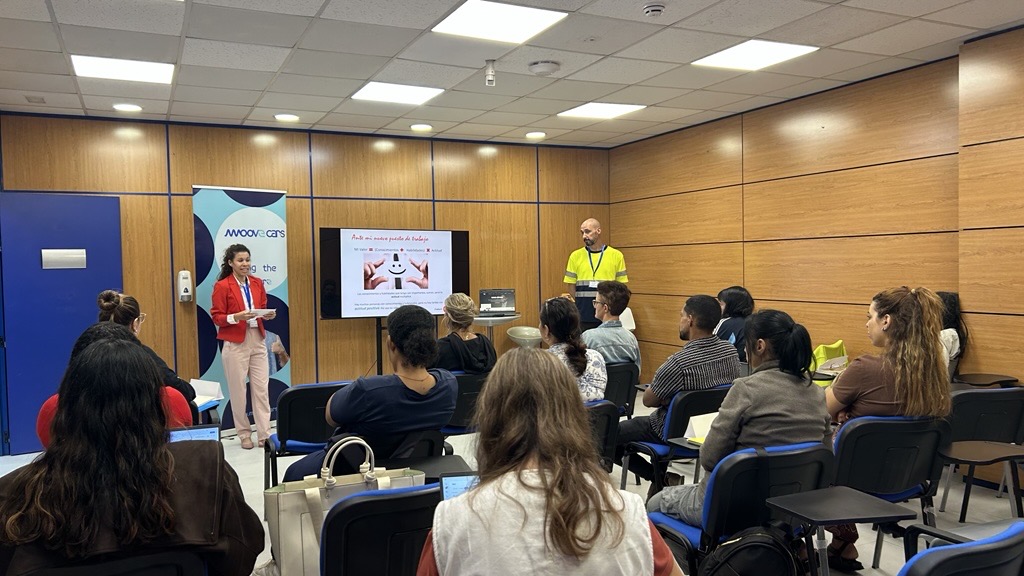
This is a scenario nearly all of us have experienced on either side of the table, and it neatly encapsulates my primary takeaway from the workshop “Inspiring Leadership and Feedback Culture,” led by executive coach Daria Shornikova as part of the Best Company for All Talent initiative, in which Moove Cars participates. The session was framed around a series of conversations—a deliberate choice of words. What a team truly thinks of its leader is shaped far less by polished presentations than by the recurring ten-minute weekly check-ins and, above all, by the tough conversations no one wants to have.
Yet, these are the dialogues we tend to neglect most. A Gallupsurvey of nearly 15,000 employees revealed that barely one in six rated their last conversation with their manager as meaningful.
Still, that is precisely what the team observes. Most people do not witness their manager making major strategic decisions. They see them ask questions, issue corrections, and keep—or break—promises made earlier that week. From these daily actions, employees deduce how much stock to put into annual keynote presentations. Research on leadership trust summarizes this simply: we trust those whose actions match their words.
When the Conversation Goes Sideways
The inherent challenge is that these discussions trigger our survival instincts. Faced with a perceived threat, we naturally fight, flee, or freeze—and an uncomfortable workplace exchange, however minor, is instinctively registered as a threat. Shornikova highlighted a fourth coping mechanism absent from standard textbooks but common in offices: sarcasm. It serves as a subtle escape route.
This applies equally to both sides of the table. The team member who fields criticism with a joke is retreating, just as the manager who postpones a difficult conversation for three weeks or brushes it off with a casual hallway remark is evading.
That is why one particular insight stood out. A study by Bain & Company examined what makes a leader truly inspiring and identified over thirty attributes. No one needs to master all of them; excellence in just a few is sufficient. However, Bain places one quality above all others, as it unlocks the rest: centeredness.
Bain describes it less as an innate personality trait and more as an intentional mental state: being fully present, tuned in to the moment, and able to remain calm, listen attentively, and respond deliberately under pressure. It is a trainable skill. Plainly speaking, centeredness means resisting the urge to check out when leaving would be the easiest choice.
Focus on What Actually Happened<br/>
During the session, feedback was defined as a conversation about the impact of our actions—a distinction frequently overlooked. Consider the difference between “You lack thoroughness” and “Two figures were missing from the report, forcing the committee to delay its decision.” The former judges the person and forces them into defense mode; the latter outlines verifiable facts and leaves room for remediation. This distinction carries significant weight: an extensive meta-analysis showed that in one-third of cases, feedback actually impairs performance. The proposed reason is straightforward: the conversation stops addressing the work and starts attacking the individual who did it.
Even vocal skeptics of traditional feedback validate this principle. Marcus Buckingham and Ashley Goodall argue in “The Feedback Fallacy” (Harvard Business Review) that evaluating others often reveals more about the evaluator than the person being reviewed, recommending that we abandon subjective judgments. Instead, they advocate for describing what was observed and how it affected outcomes—the essence of discussing impact.
Who Asks First?
If the team lead from our opening scenario had requested two things that worked well and two areas for improvement—instead of asking a vague “What did you think?”—she likely would have received actionable insight. Open-ended pleasantries feel like a test and prompt evasive answers. Specific questions demand reflection and signal an earnest willingness to listen.
Even better: starting by inviting constructive critique on her own presentation. Empirical research supports this: managers who openly discuss employee feedback with their teams show greater development than those who keep it private. The feedback framework introduced in the workshop concludes with a question directed at the leader: What is my ongoing commitment to the person I just evaluated?
Meeting Individual Needs<br/>
Not everyone requires the same support at the same time. Some individuals need continuous encouragement and frequent validation, while others operate autonomously and require feedback delivered through a different lens. Research demonstrates that novices benefit more from positive feedback because it confirms they are on the right track, whereas seasoned professionals seek critical input to refine their craft. For a novice, relentless corrections quickly translate to perceived incompetence; for an expert, excessive praise suggests a lack of serious oversight.
In high-stakes situations, a concise insight from the session proved most practical: short, targeted feedback always outperforms an exhaustive lecture. Kim Scott, author of Radical Candor, captures this succinctly: feedback is measured at the ear of the listener, not the mouth of the speaker. This underpins the workshop’s guiding principle: “Direct does not mean harsh.”
Challenge Without Letting Go<br/>
Ultimately, this crystallizes modern leadership: observing to assess individual needs, demonstrating patience during the learning curve, and challenging effectively. Challenging means assigning tasks beyond current capabilities—like a coach setting a demanding target while meticulously correcting form through every repetition. Some team members require close guidance; others simply need oversight. However, high challenge without adequate support creates distress. Delegating without follow-through feels like abandonment, and unsupported autonomy, and unsupported autonomy breeds anxiety.Challenging without guidance is merely neglect dressed in polite language.
“A leader’s role is to take their team where they have never been before.” No one embarks on uncharted territory with a fixed map—least of all the leader. Progress happens through discrete, private moments: the timely question asked right after a meeting, the calm adjustment made before it is too late.